

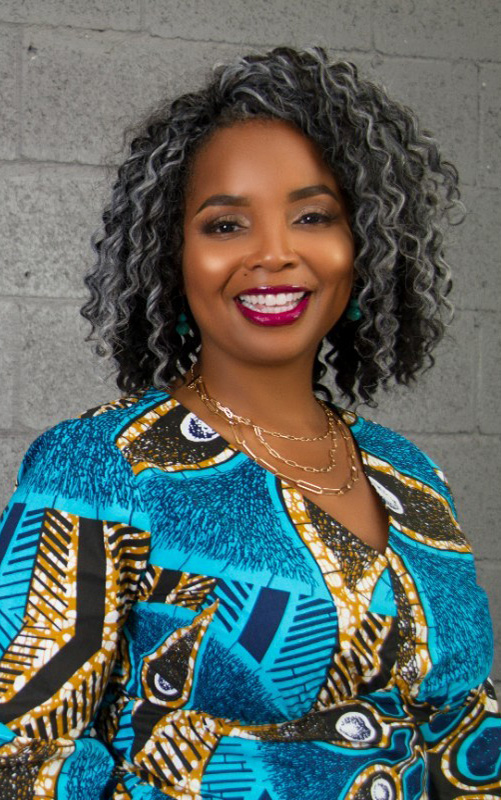
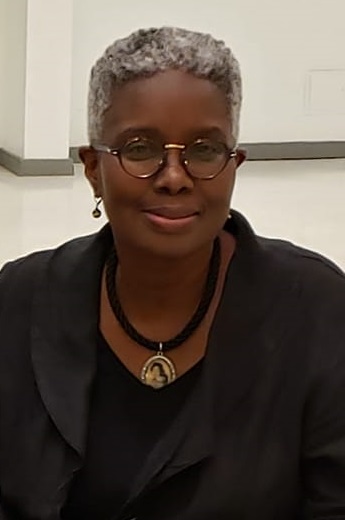
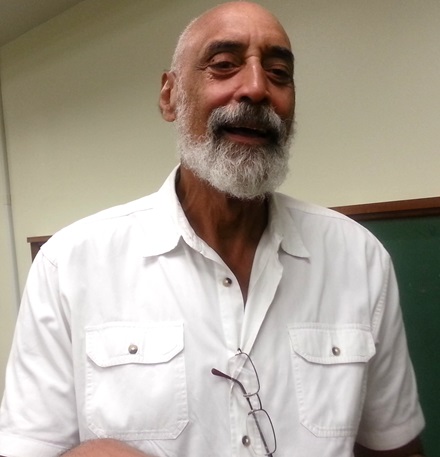
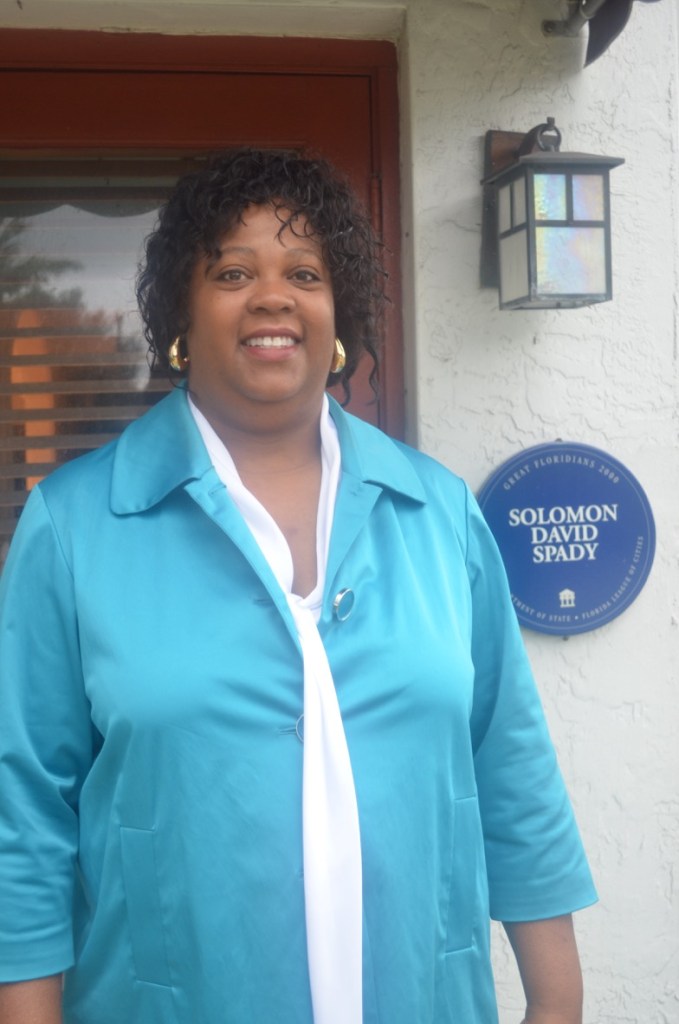
2023 ASALH Conference Panelists from South Florida Branch

The Ongoing Quest for Freedom In South Florida: Challenges, Strategies, Innovations – A Roundtable Presented by the ASALH South Florida Branch
Abstract:
In keeping with the 2023 National Theme of “Black Resistance,” and ASALH President Dulaney’s statement of the significance of the 108th Annual Conference in Jacksonville, Florida , September 20-24, 2023, as the state is becoming known, nationally and globally, for leading a reactionary movement to mandate miseducation, the South Florida Branch proposes a Roundtable discussion of the unique, little-known African World history and heritage of the peninsula’s southernmost region. This includes its role in Florida’s history as “Freedom Land” for Indigenous and African Americans, who established rich cultural traditions, its place in the forefront of courageous and creative responses to the Jim Crow era, its international connections, “where the South meets the Caribbean,” and its historic and current-day leadership in bringing history to light and life, particularly, in the places where history was made. This includes such compelling topics as Middle Passage remembrances, Emancipation history, lynchings and terrorism, and historic preservation projects. Fundamental to this presentation is a redefinition of “history” itself, to include the entire history of the land, from its beginnings (not just the last 500 years; “land and history are one and the same thing”). The two-fold focus of the Roundtable is to elucidate these historic themes and explore methodologies for learning and teaching this material in ways that are engaging and empowering. These include digital “Virtual Museum” experiences, mobile exhibits, and creative uses of public spaces to “make the world our classroom.”
Participants
(Chair) Tameka Bradley Hobbs, thobbs@broward.org; African American Research Library and Cultural Center
(Presenter) Gene S Tinnie, dinizulu7@gmail.com; Dos Amigos/Fair Rosamond Slave Ship Project
(Presenter) Rosemari Mealy, profmia100@gmail.com; Independent Scholar
(Presenter) Valerie Lyles Patterson, patterso@fiu.edu; Florida International University
(Participant) Charlene Farrington, charlene.farrington@gmail.com; South Florida Branch
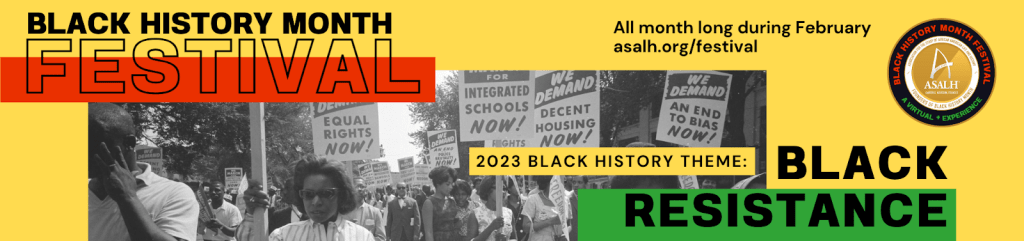
Place, Space, and Memory as Resistance: Black Women’s Activism to Secure Black Maternal Health, and Protect and Preserve Black Family Life and History
This panel offers a careful exploration of strategies grounded in resistance used by Black women (in South Florida and beyond) as mothers, midwives, and matriarchs to create, protect, preserve, and elevate the historical legacy of thriving Black families, and amplify current efforts to capture the knowledge, expertise, and care systems of Black doulas and midwives designed to eliminate the barriers Black women and birthing persons face to health, safety, and wellness that are systemic, structural, and persistent.
Forceful Voices: Placemaking and claims staking via documentary film
(Panelist) Aarti Mehta-Kroll, Florida International University (ameht018@fiu.edu)
Placemaking has been a tool of survival and resistance used by Black Americans since their forced arrival in the Americas. It can remake places, refuting the external imposition of isolation and marginality, what has been referred to as “second site production”. While prior research has focused on how second sites connect geographically dispersed communities of color, this paper highlights how it can be deployed to connect Black places embedded in white spaces. It demonstrates this process through a grounded theory analysis the documentary film, Graceful Voices.
The film is about a group of women who are members of a hundred-year-old Black community established by Bahamian immigrants in the city of Coral Gables, Florida. Results show how these women asserted their right to being recognized as equal citizens of Coral Gables by highlighting the historic contributions made by their community towards the creation of the city.
Black Women’s Maternal Health Activism: Past Meets Present through Community Engaged Advocacy
(Panelist) Okezi T. Otovo, Ph. D. (ootovo@fiu.edu)
Associate Professor of History and African and African Diaspora Studies
Florida International University
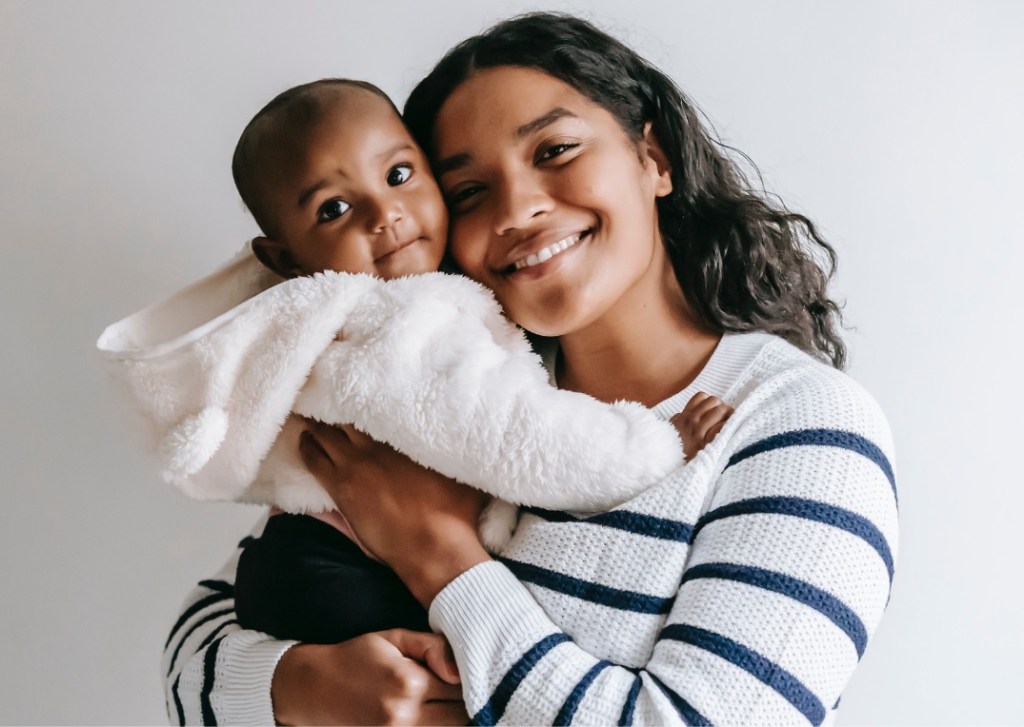
This paper explores Black feminism and Birth Justice as fundamental guides that root the work of the Black Mothers Care Plan (BMCP), a community-research partnership based in the FIU Center for Women’s and Gender Studies that seeks to improve the quality of maternal care for Black women and birthing persons in South Florida and to amplify the knowledge, expertise, and care systems of Black doulas and midwives. Drawing upon the varied insights of Black Feminism, our approach is intersectional and community-led because the barriers Black women and birthing persons face to health, safety, and wellness are systemic, structural, and historical. My paper also traces a longer history of Black women-led organizations to mobilize for improved maternal health care in the US, dating back to the 1960s. Their insights and experiences call us to manifest Black women’s intellectualism and a long history of political action for the health and healing of Black women and gender-expansive people.
Death Has No Dominion: Memorializing Bahamian midwifery and sacred burial grounds in Broward County, South Florida.
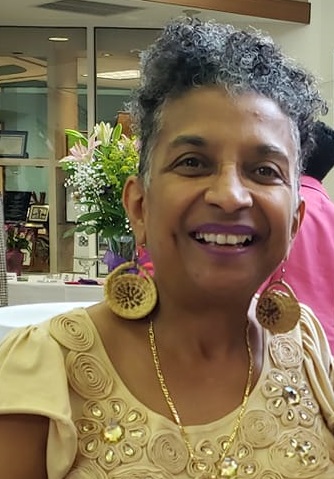
(Panelist) Ramona La Roche, Ph.D. (rlaroche@broward.org)
The Bahamian community played a significant role in the development of coastal south Florida from Key West (Monroe County), to Coconut Grove (Miami Dade), Pompano and Deerfield Beaches (Broward/Palm Beach). This paper examines the important roles of community engagement and civic response in preserving collective historical memory of the latter city, Deerfield Beach. The significant role played by Branhilda Richardson Knowles, a trained Bahamian nurse will be explored. Serving as the community midwife, she was responsible for the delivery of hundreds of Bahamian, Caribbean and Native American babies who were later interred in the old Negro cemetery in Deerfield Beach. Established in 2019, the Brandhilda Richardson Knowles Memorial Park, a national historic landmark, serves to honor Knowles’ legacy and acknowledges many local community members that have been identified and are buried on the historical site.
(Moderator) Valerie L. Patterson, PhD, patterso@fiu.edu
Clinical Professor, Public Policy & Administration, Director, African and African Diaspora Studies, Florida International University
Topic/Title: The FIU “Commons for Justice” Collaboratory Approach to Community Disaster Resilience -Commons for Justice Roundtable:
To address racial and ethnic inequities in pre-event disaster exposures and vulnerabilities and in post-event resilience resources and capacities, the project is a university-community collaboratory in the Miami metropolitan area that is designed to foster sustainable partnerships and to produce new forms of knowledge and resilience-enhancing cooperation. Project questions include how people and organizations make meaning of the past and present and use this knowledge to formulate for the future the conditions necessary to improve the resilience of neighborhoods and communities. The goal is broader community capacity-building strategies as outcomes of more effective university partnerships with community organizations and leaders. This goal includes determining the ways in which grant activities engaged community partners to document and preserve when and where successful resistance strategies have historically been used to establish safe spaces. These are safe spaces where Black life can be sustained, fortified, and respected to build resilience.
More specifically, the project has asked: (1) How does one build open, safe, and supportive spaces that lead to the co-design of resilient communities, including the university? (2) How does one co-construct the meaning of resilience that prioritizes community voices? And (3) How can a university-community collaboratory build a research-analysis-awareness-voice-solutions program to identify, illustrate, and address racial and ethnic inequities in disaster mitigation, preparedness, and response?
In this roundtable, we will share the ways that FIU’s project, Race, Risk, and Resilience: Building a Local-to-Global Commons for Justice, funded by the Mellon Foundation’s Just Futures Initiative, tackles these questions about the challenges, surprises, and problems encountered. The three-year collaboratory is internally multidisciplinary at FIU, and externally has developed extensive and intensive outreach with six diverse focus neighborhoods and communities. The project triggered, fostered, and transformed intercommunity discourse and action plans by emphasizing coordination and cooperation rather than competition between and among community organizations. The project has 11 components and includes a research cluster; documentary productions; art exhibitions; Histories from Different Perspectives; resilience solution sessions; podcasts; curricular development; and project evaluation.
Chair: Marcie Washington, mrwashin@fiu.edu, Florida International University,
(Presenter) Rebecca Friedman, friedmar@fiu.edu, Florida International University
(Presenter) Guillermo Grenier, grenierg@fiu.edu, Florida International University
(Presenter) Valerie Lyles Patterson, patterso@fiu.edu, Florida International University
(Presenter) Izegbe Onyango, izegbeo@catalystmiami.org, Catalyst MiamiValerie L. Patterson, Ph.D.Director, African and African Diaspora StudiesClinical Professor, Public Policy and Administration
Steven J. Green School of International and Public Affairs
Florida International University
11200 S.W. 8th Street, LC 308 (PCA 367-A)
Miami, FL 33199
Telephone: 305-348-0425 * Fax: 305-348-5848
 ASALH South Florida