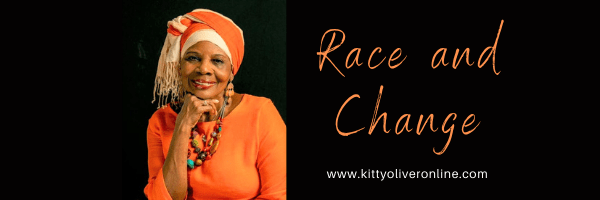
Race and Change by Kitty Oliver

AN INSPIRATIONAL CIVIL RIGHTS JOURNEY
Hi from Dr. Kitty,

They say older people tend to look at the past with nostalgic recall, where everything was so much better “before…” compared to now. Not me. I moved from Jim Crow segregation in the South to racial integration to a multicultural worldview, while also witnessing the treacheries of social progress along the way. And yes, the journey has been rough. But my generation has also lived through some dynamic, exciting, transformative times – and boy do we have some stories to tell. 

The Race and Change oral history presentations I’ve shared with many of you over the years have sought to go beyond just recounting the glorified – or tragic – events of the past to find connections in our experiences across cultures and generations. It has become a rough road in these divisive and uncertain times. I was struggling for inspiration – until a recent journey visiting civil rights sites in the South, listening to stories of survivors and ongoing activism.  A break from the news for a new perspective. A walk through history to find a message of hope. Some moments of reflection before traveling on. I invite you to be the first to view this short video.  And share it with someone – especially younger. I’m doing the same. 

The work continues!

Dr. Kitty Oliver


#LLPMS22 

https://asalhsouthflorida.wordpress.com

Panelist at ASALH 2022

A Special Place In Time And Space – A View of Black Health and History from the African American Far South featuring members of ASALH SOUTH FLORIDA

ParticipantsEdit Participants
(Commentator) Valerie Lyles Patterson, patterso@fiu.edu; Florida International University
(Chair) Gene S Tinnie, dinizulu7@gmail.com; Dos Amigos/Fair Rosamond Slave Ship Project
(Commentator) Kisha King, kking@broward.edu;
I Reminisce Over You – Valerie Patterson Title (Abstract)   I Reminisce Over You – Valerie Patterson Edit Title Author Edit Author(Presenter) Valerie Lyles Patterson, patterso@fiu.edu; Florida International University Abstract Edit Abstract   This paper will explore the impact of several university and community collaborative activities designed to document race, risk, and resilience in a Bahamian community in South Florida. The paper will compare oral history transcripts over time to identify common themes and threads related to health, wellness, and resilience, and the ways in which collective memories reinforce themes of Black health and wellness. Individual Presentation   Abstract
Black Health and Wellness in the era of Jim Crow Title (Abstract)   Black Health and Wellness in the era of Jim Crow Edit Title Author Edit Author(Presenter) Kisha King, kking@broward.edu;AbstractEdit Abstract   This paper will offer a comparative history of two hospitals in South Florida that met the needs of Black people who were not allowed access to treatment in other area hospitals. Christian Hospital and Provident Hospital both treated Black people in South Florida. Service delivery in both facilities will be explored. Individual Presentation   Abstract
South Florida: Epicenter of Middle Passage Awareness and Remembrance Title (Abstract)   South Florida: Epicenter of Middle Passage Awareness and Remembrance Edit Title Author Edit Author (Presenter) Gene S Tinnie, dinizulu7@gmail.com; Dos Amigos/Fair Rosamond Slave Ship Project Abstract Edit Abstract   As part of the Panel Presentation by the South Florida Branch, Prof. Dinizulu Gene Tinnie, will offer insights on the significance of South Florida in remembering the Middle Passage. From multiple connections to that history and heritage in Key West, southernmost point of the continental United States, therefore closest to the predominant “slaver trading” routes, to Miami’s prominent and pioneering role in launching an Annual Sunrise Ancestral Remembrance of the Middle Passage, and as the birthplace of the Dos Amigos/Fair Rosamond Middle Passage Ship Replica Project, the southern tip of the Florida peninsula has hosted numerous programs, exhibitions, and other activities, including annual observances of the International Days of Remembrance (March 25 and August 23, declared by the UN General Assembly and UNESCO respectively). Prof. Tinnie’s presentation will focus on the local history of such slave ships as the Henrietta Marie, wrecked in 1700, the Guerrero of 1827, and the captured ships in 1860, as well as related local landmarks like the Key West African Cemetery. It will also focus on the aftermath of the Middle Passage in Florida, including the peninsula’s role as “Freedom Land” for displaced First Nations peoples and self-liberators from slavery, where Seminole Maroon settlements were established along with Underground railroad escape routes from slavery, as well as present-day ongoing consequences of this human trafficking. Individual Presentation   Abstract

Valerie L. Patterson, Ph.D., Director

African and African Diaspora Studies

Clinical Professor, Public Policy, and Administration

Steven J. Green School of International and Public Affairs

Florida International University
11200 S.W. 8th Street, PCA 367-A, Miami, FL 33199

Telephone: 305-348-0425 * Fax: 305-348-5848

Quarterly Meeting

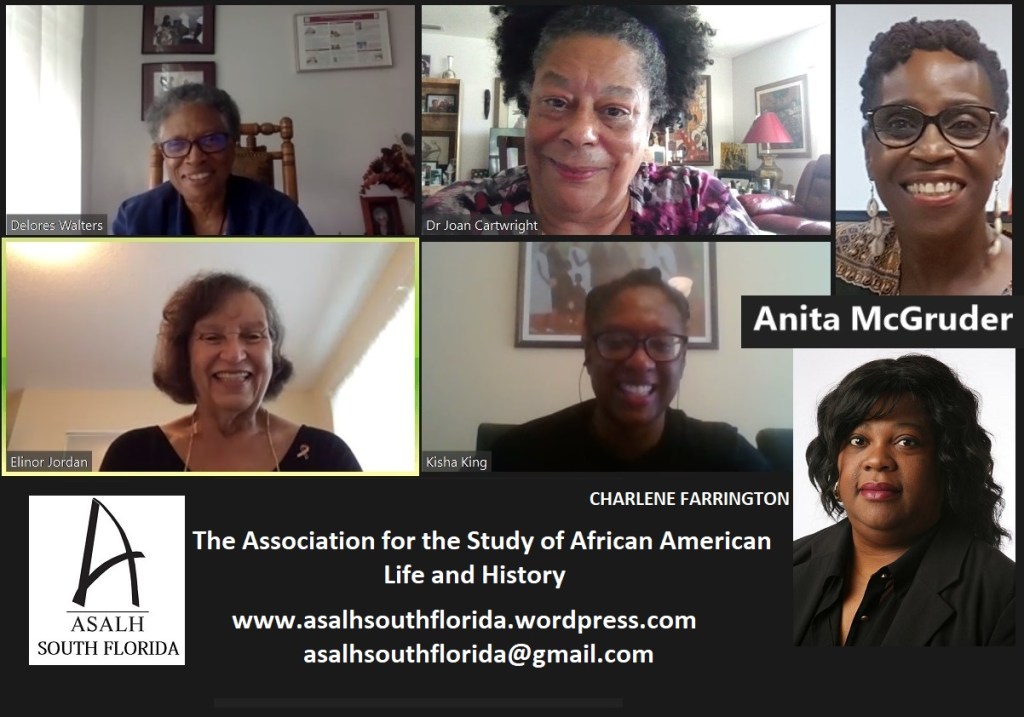
Today, we held a meeting of the members of the South Florida brand of the Association for the Study of African American Life and History (ASALH). ASALH South Florida is three years old. Although we are a fledgling chapter, we are determined to continue our chapter’s efforts to promote Black history.

COVID-19 struck one of our members, Anita McGruder, who survived! Other members have been on lockdown and have not been able to visit other family members.

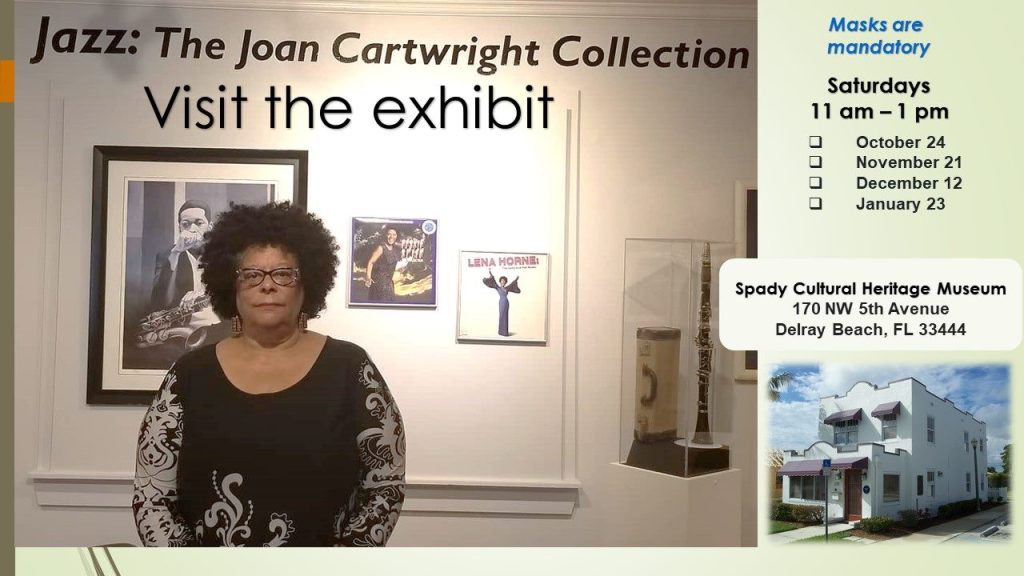
Charlene Farrington is exhibiting the Jazz art collection of Dr. Joan Cartwright at Spady Cultural Heritage Museum in Delray Beach, Florida, through the month of February 2021.

Joan Cartwright will be at the museum on the dates listed above.

We will be doing several Zoom presentations at Broward College:

November 5 – Tameka Hobbs

November 24 – Charlene Farrington and Dr. Joan Cartwright

February 2021 – Jazz with Dr. Joan Cartwright

April 2021 – Oral History Conference

We will continue to recruit new members. To join our branch, you must be a member of National (www.asalh.org) and click here to pay local dues.

Sean Jones

asalhsfradiobannerSean Jones of the ATLANTA branch of ASALH will discuss a joint on-line program on May 19, 2020, for Malcolm X’s birthday. In Atlanta, the Malcolm X Festival is always a beautiful event that is very well attended and the branch always participates. Obviously, the event was canceled. Jones believes this is a great opportunity for ASALH to fill a void on that weekend where many of us in our communities across the country are accustom to celebrating our HERO.  www.blogtalkradio.com/asalhsouthflorida/2020/05/12/seanjones

sean jones

http://blogtalkradio.com/asalhsouthflorida

Radio ASALH South Florida

asalhsfradiobannerbtr1

Weekly podcast: https://www.blogtalkradio.com/asalhsouthflorida

Upcoming Episodes

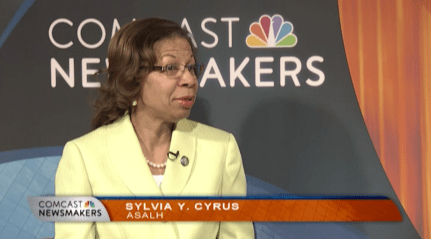
cyrus sean jones

Sylvia Y. Cyrus Tues May 5 @4pm | Sean Jones Tues May 12 @4pm

Archived Episodes

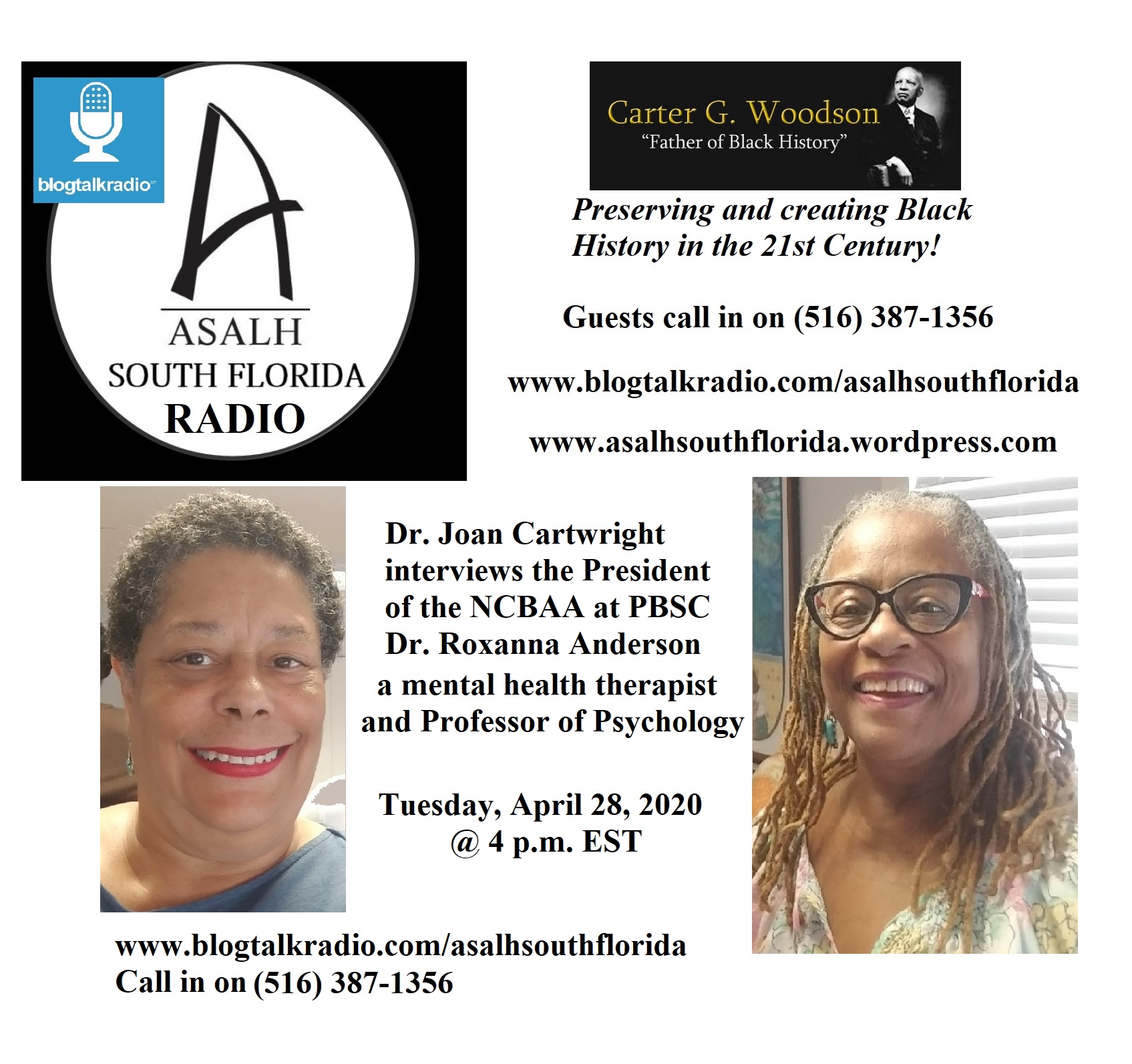
Tuesday, April 28, 2020 @ 4 p.m. EST

Dr. Roxanna Anderson, Mental Health Therapist, President of the National Council on Black American Affairs (NCBAA) at Palm Beach State College (PBSC)

asalhsfradiobannerroxannaandersonwww.andersonmentalhealththerapist.com

Daryl Scott on Black Historians

1darylscott-asalhDr. Daryl Scott is a past president of the Association for the Study of African American Life and History (ASALH). This is a post from Scott on Facebook on May 6, 2019.

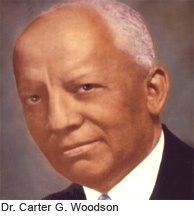
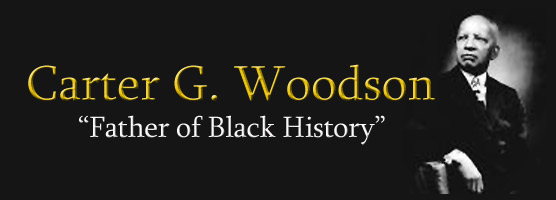
Since the 1990s, I have witnessed many talented historians, including some truly gifted ones, go without any real opportunity to practice their chosen profession. I have watched a rare few claw their way into the ranks of the tenured after being adjuncts for years. Most of us become academics because we want to think, write, and teach. Because I have always guarded myself against undo influences on my thinking–always skeptical or willing to be unconvinced–I have ever believed that the profession might have little for me. Yet I have been fortunate to ply my trade, but I was always willing to be a historian outside the academy. This is why I have always believed in ASALH and came to respect Carter G. Woodson–who did precisely the thing I thought I might have to do. He only lasted a year at Howard University and was saved for two years by his friend John Davis at West Virginia Institute. Before and after these experiences, he existed as a historian trained on his own dime and surviving outside of the academy.

The historical profession’s associations cannot imagine themselves serving anything but the academy, and then only from the top down. K-12 teachers, junior college professors, and independent scholars all feel less than welcome at gatherings, and publishing in one of the leading journals is but a dream. I spent a lot of time over thirteen years intentionally trying to be more democratic and inclusive than Woodson. Yet try as some of us did, the tendency of ASALH and all organizations occupied by academics is towards professional separation, hierarchy, and perceived prestige. Every time ASALH has tilted too far towards academics, its well-being has suffered. What is true for ASALH, I fear is true now for the entire academy.

Historians need to rethink their relationship to the university, the public, and one another. Attached to the academy, with its high-cost structure, historians-in-training are running up enormous debt. Everyone who thinks about it for a moment knows that graduate programs could operate on weekends only. Societies unattached to the academy are able to publish journals at a fraction of the cost because they are free from course releases, graduate student stipends, and the ever-escalating demands of university libraries who increasingly don’t subscribe to journals anyway. Associations with their own peer-review programs could put a seal of approval on scholarship that gets preserved in their databases and then published anywhere the author, the rightful copyright holder, desires. Through local branches, historians who are from the community can promote history. Not just local history, but whatever history is being produced by historians.

Implicit in all of this is that many of the historians, if not most, will be considered amateurs. Yet many would be history professionals outside of the academy. They will be teachers, museum workers, church historians, journalists, and former community leaders. I am convinced that America has been and remains a history wasteland precisely because we leave it to professionals rather than growing history from the community up.

General Meeting March 30, 2019

A meeting of the general body was held on Saturday, March 30, 2019, at the Blanche Ely Museum in Pompano Beach, FL. The discussion included:

  • Membership recruitment
  • 2019 Black Film Festival scheduled for December 19, 2019, at AARLCC in Fort Lauderdale, FL. We developed criteria for film submission, vendors, and guests.
  • 2020 Gala scheduled for February 22, 2020, as a fundraiser for Broward Libraries, ASALH South Florida, and Spady Museum (Goal: $30,000).
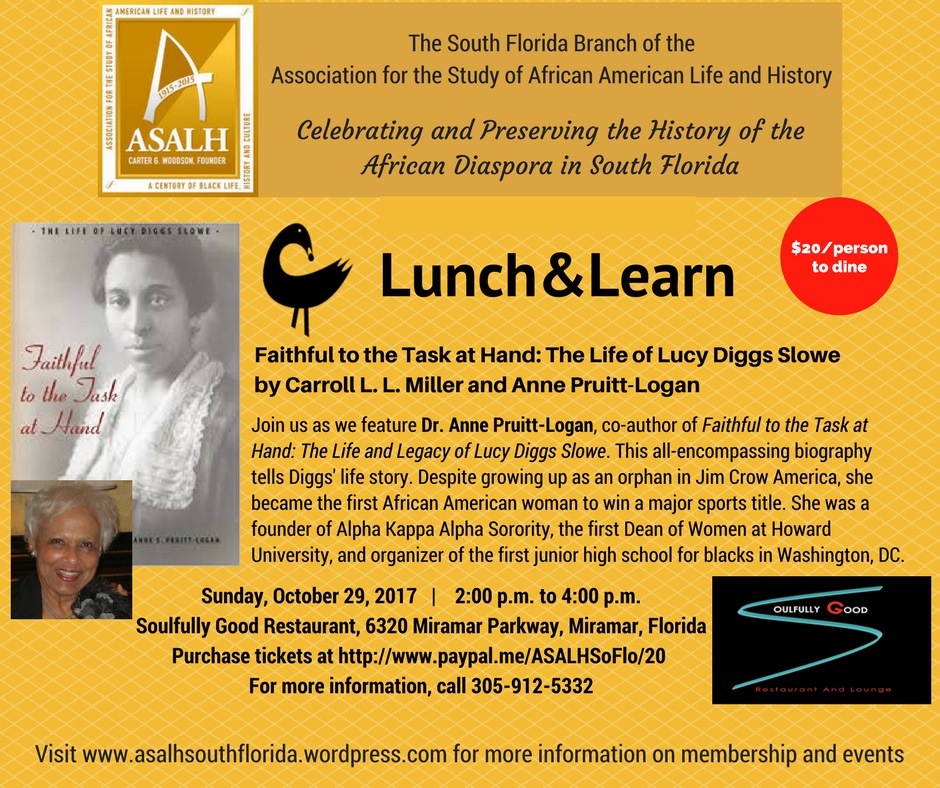
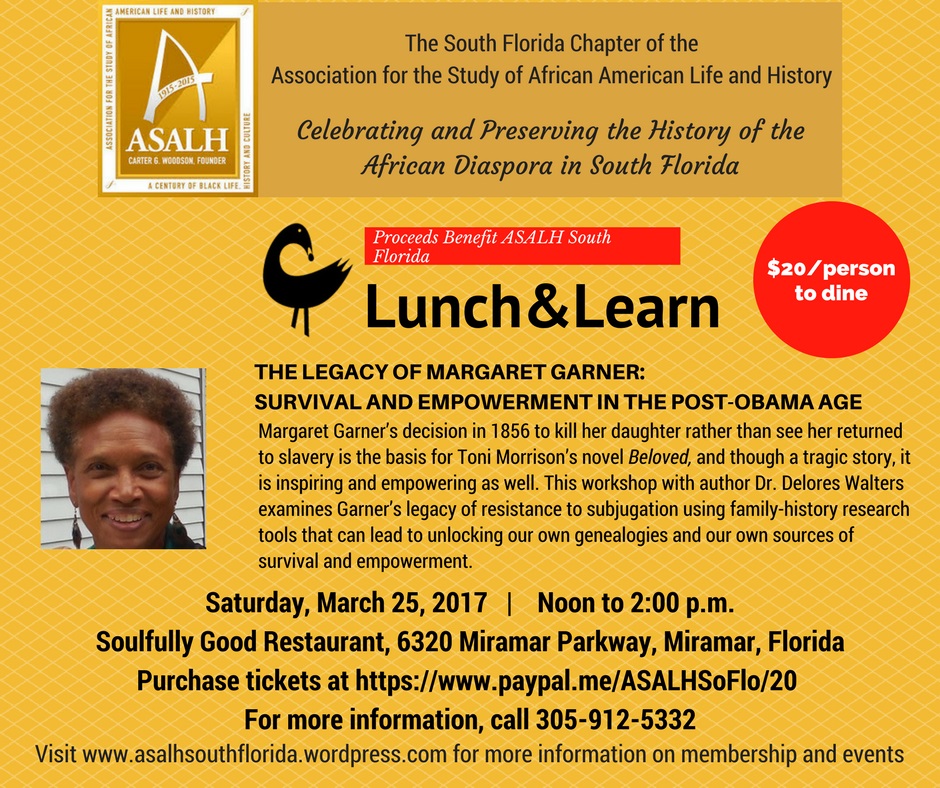
  • Lunch and Learn
  • Speaker’s Bureau
  • Next meeting, Saturday, April 20, 2019 @ 12 noon

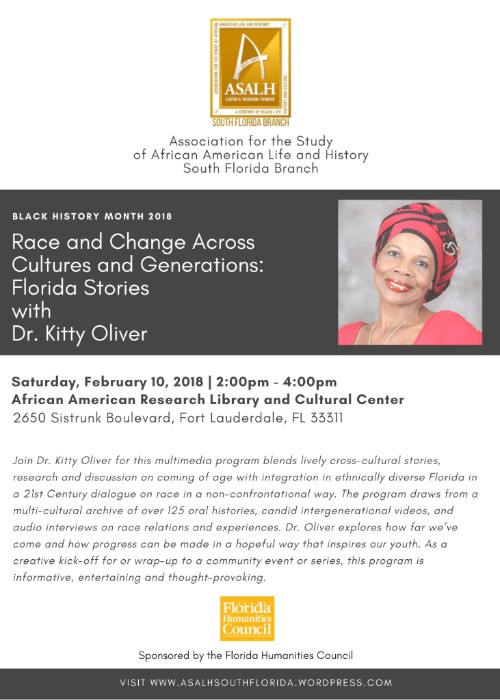
Dr. Kitty Oliver

1kittyoliverasalh2-10-18

Hello from Dr. Kitty Oliver,

Over the next few weeks, I will be presenting a number of Race and Change programs around Florida. Talking about race and ethnic relations in the U.S. in a hopeful way is a daunting task, for sure, but I am continually inspired by the wide range of people who are willing to at least attempt to engage in a deeper level of communication.

This is truly an inclusive conversation for those who are ready, and in need of inspiration.  I invite you to attend one if you’re in the area. For Example:

A new branch of the venerable Association for the Study of African American Life and History has formed in South Florida and members are committed to exploring the complexities of race in America and strategies for combatting racism and discrimination not just in theory but also on a person-to-person level. ASALH WEBSITE

Local Events

asalhsofl dec 16 2017

lunch learn2lunch learn

Our branch was chartered in Richmond, VA at ASALH National Conference October 2016

20161006_184937-1

asalhsofla-june10lunch learn1

asalhsofla broward college

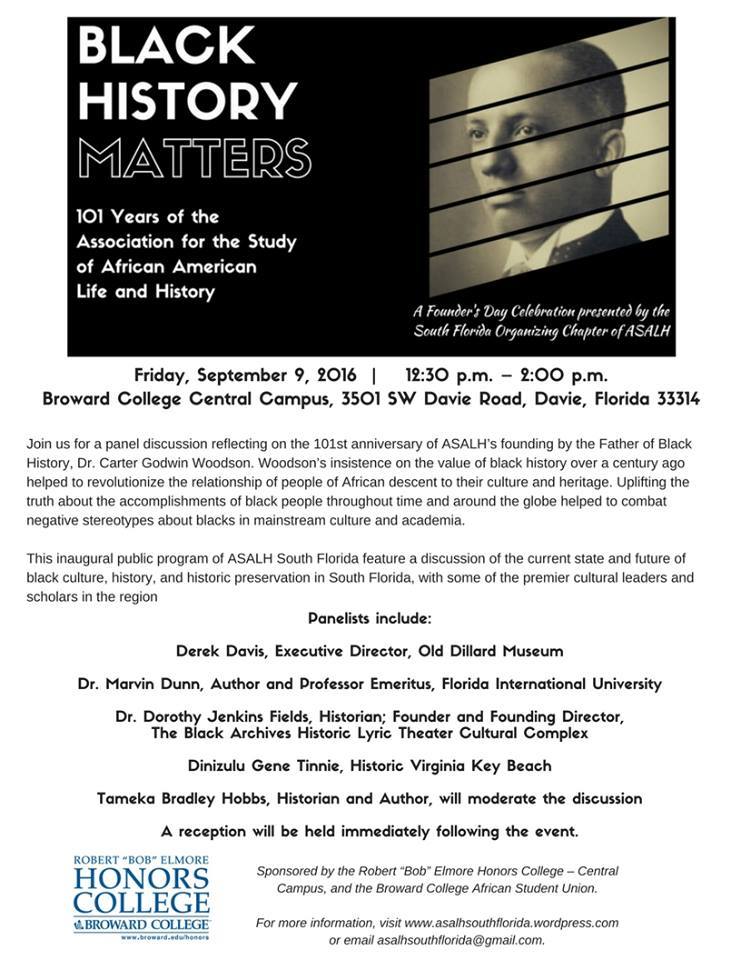
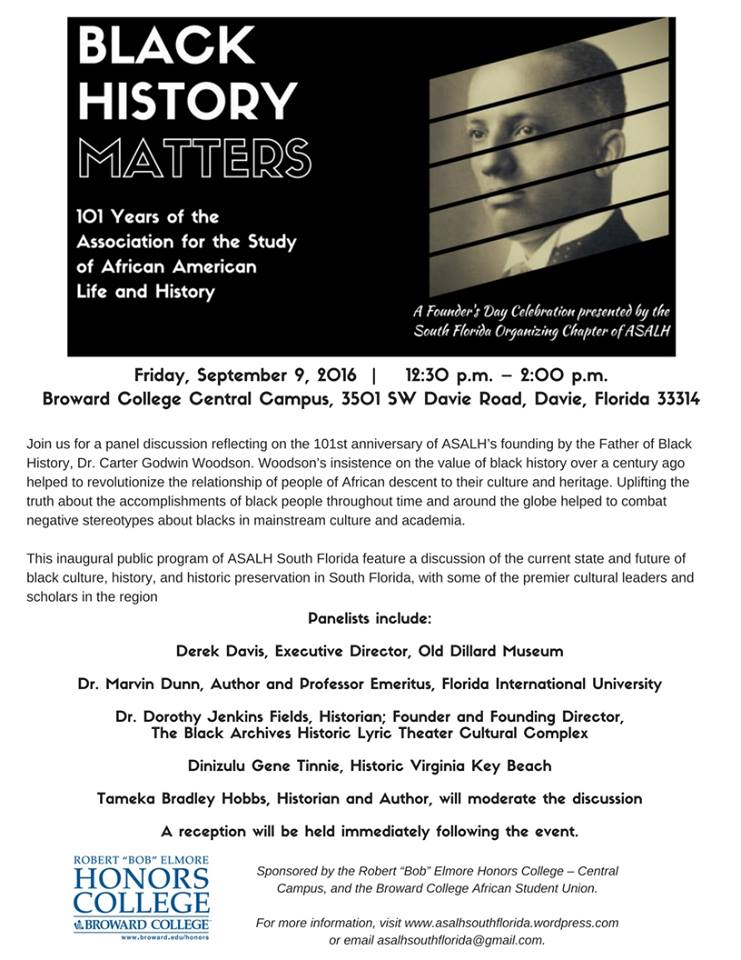
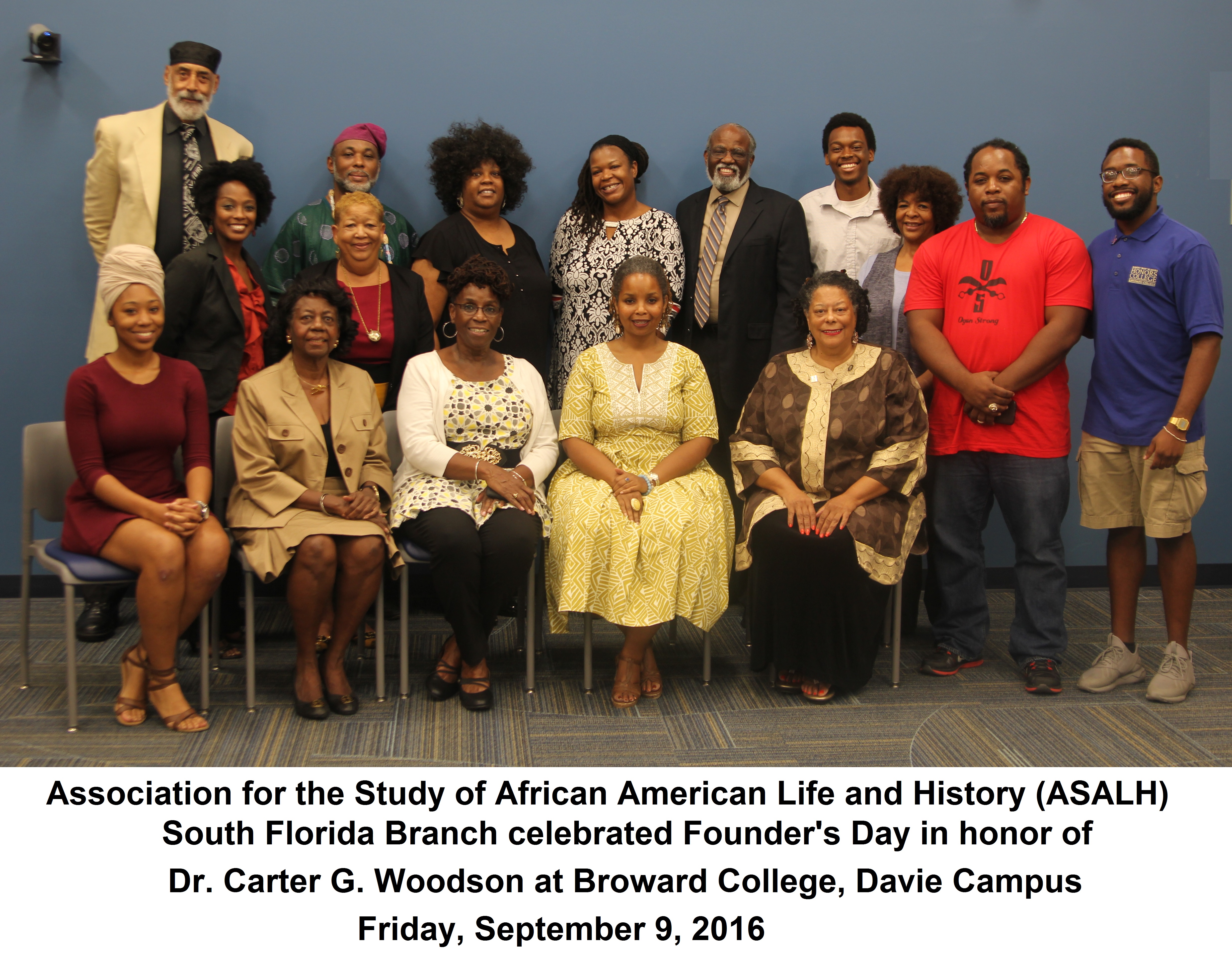
1Carter-G.WoodsonFriday, September 9, 2016 @ 12 Noon to 2 p.m.
FOUNDER’S DAY CELEBRATION
Broward College Central Campus
Bldg 3 Room 100, Davie, FL
Coordinator: Easton Harrison
407-431-5865 – Ekharrison2016@gmail.com

Saturday, December 17, 2016
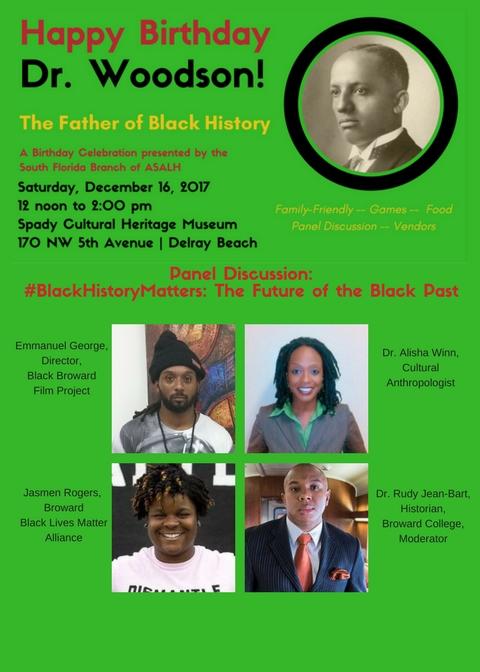
DR. CARTER G. WOODSON’S BIRTHDAY
Spady Cultural Heritage Museum
170 NW 5th Ave, Delray Beach, FL 33444
Coordinator:
Charlene Farrington
561-279-8883 – charlene.farrington@gmail.com

ASALH SO FLA30February 2016
Branch Mixer and Membership Drive
Florida Memorial University
Coordinator: Dr. Tameka Hobbs
804-356-3212 – tameka.hobbs@gmail.com

asalhlogo2National Events

ASALH Annual Conference
October 5-9, 2016
Richmond, VA
Register here: www.asalh.org