

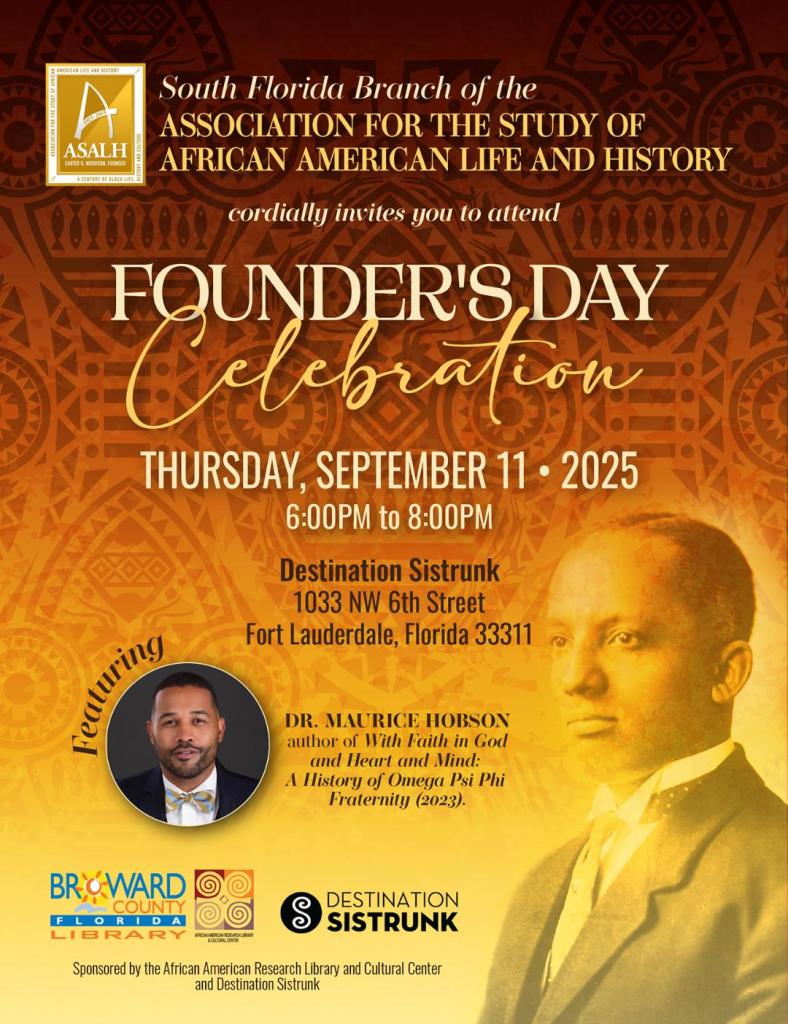

| July 19, 2023 The Association for the Study of African American Life and History Opposes the Supreme Court’s Affirmative Action Ruling On Thursday, June 29, 2023, the United States Supreme Court ruled against the use of affirmative action in university and college admissions. The six conservative Justices concurred with the opinion to eliminate race as a factor in university and college admissions decisions. Supreme Court Justice Sonia Sotomayor issued the dissenting opinion for the three liberal justices. Justice Ketanji Brown Jackson wrote a concurring opinion. SCOTUS’s decision will have a disastrous effect on Black people and other racially oppressed groups. The nine states that previously banned affirmative action witnessed a sharp decrease in Black student enrollment. In California after the 1996 ban, Black student enrollment at Berkeley and UCLA plunged by 40 percent. In 2006 Michigan also abolished affirmative action in admissions. Subsequently, in 2022, the enrollment of Black and other students of color was less than half (3%) of what it had been prior to the elimination of affirmative action (7%). This major decision turns the clock back on the use of affirmative action in other areas of American life where historic racial discrimination has been endemic, especially in employment. Additionally, the court’s decision in 303 Creative v. Elenis recalls issues posed during debates about the 1964 Civil Rights Act. Business owners then also challenged that cornerstone civil rights legislation claiming it violated the “personal rights of persons in their personal convictions and in their choice of associates.” Therefore, the Association for the Study of African American Life and History (ASALH) disagrees with the Supreme Court and condemns its decision as ahistorical, shortsighted and perversely racist, using color blindness to further racial discrimination. As the oldest Black scholarly community and the founders of Black History Month, ASALH members are well aware of the country’s ongoing racial oppression against African Americans and other oppressed groups. The conservative super majority rejects the use of race-conscious remedies to resolve past racial discrimination. The court holds that since the passage of the 14th Amendment the United States Constitution has been colorblind, and has been misconstrued by previous courts. For instance, they let stand a Mississippi law that disfranchised persons convicted of 23 specific crimes. The law grew out of the state’s 1890 Constitutional Convention at which its president Sol S. Calhoon stated, “We came here to exclude the negro. Nothing short of this will do.” In the justices’ view, the 50-year policy of affirmative action to level the playing field in education and employment for African Americans and other oppressed groups was a gross mistake. Supreme Court Justice John Roberts is on record as having opposed the 1964 Civil Rights and the 1965 Voting Rights Acts, which his court gutted in its Shelby v. Holder 2013 ruling. Not surprisingly, in the Harvard University and the University of North Carolina rulings, the Chief Justice declared in the majority’s opinion that: “One of the principal reasons race is treated as a forbidden classification is that it demeans the dignity and worth of a person to be judged by ancestry instead of by his or her own merit and essential qualities.” Rice, 528 U. S., at 517. But when a university admits students “on the basis of race, it engages in the offensive and demeaning assumption that [students] of a particular race, because of their race, think alike,” Miller v. Johnson, 515 U. S. 900, 911–912 (1995) (internal quotation marks omitted)—at the very least alike in the sense of being different from non-minority students. Similarly, Justice Clarence Thomas compiled a long argument to justify not using race as a method for admitting Black and Brown students to these highly competitive universities. Indeed, he cites the history of the passage of the 14th Amendment and its intent to assist Blacks initially in their quest for equal citizenship. But he proceeds to show that the 14th Amendment ceased being a way to make the “Negroes” “a special favorite of the laws” after cases such as the Civil Rights Cases (1883) and of course, Plessy v. Ferguson (1896). Like Roberts, he cites the famous quote from Justice John Marshall Harlan: “Our constitution is color-blind, and neither knows nor tolerates classes among citizens. In respect of civil rights, all citizens are equal before the law.” But ASALH maintains that the Constitution is not color-blind and all citizens are not equal before the law. We maintain that affirmative action continues to be necessary and should be expanded. ASALH calls upon its membership, African Americans and society at large to protest and pressure Congress to pass legislation to reverse the Supreme Court decision. ASALH’s Public Commentary Committee is charged with two tasks. The committee is in charge of drafting public statements on behalf of the executive board. These commentaries must be pertinent and relevant to the mission of ASALH. Statements should be relevant and timely on issues of Black history and conditions of Black people or persons more generally and will be posted on the ASALH Website as the official commentary of the organization and/or submitted to the national media outlets as official commentary for discussion and debate. The second task of the Public Commentary Committee is rapid response to breaking news that affects the membership and chapters of our organization. |
As humans, we take the communication in nature for granted. Birds tweet, dogs bark, cats purr, and pigs oink. But what do trees say to the world?
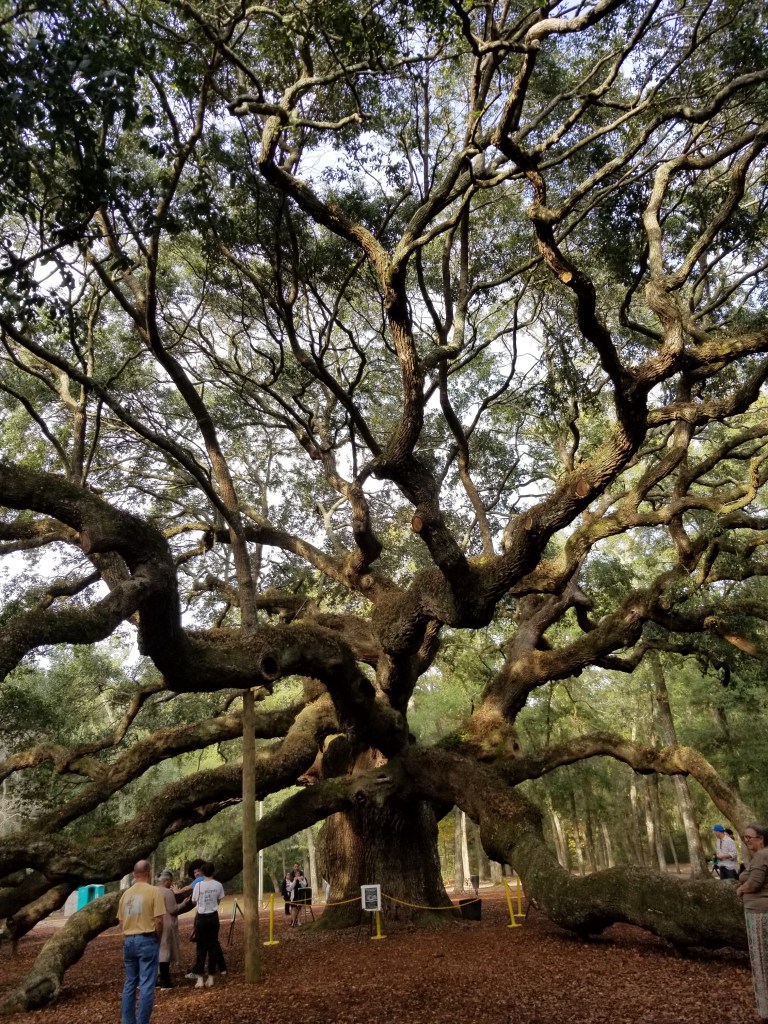
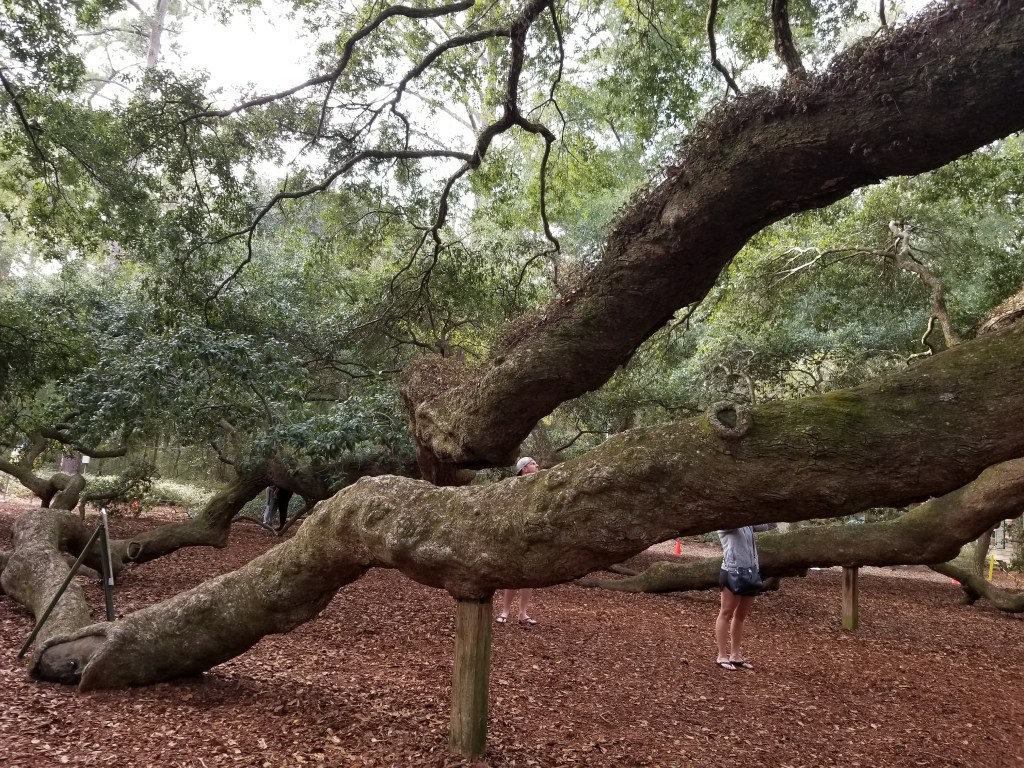
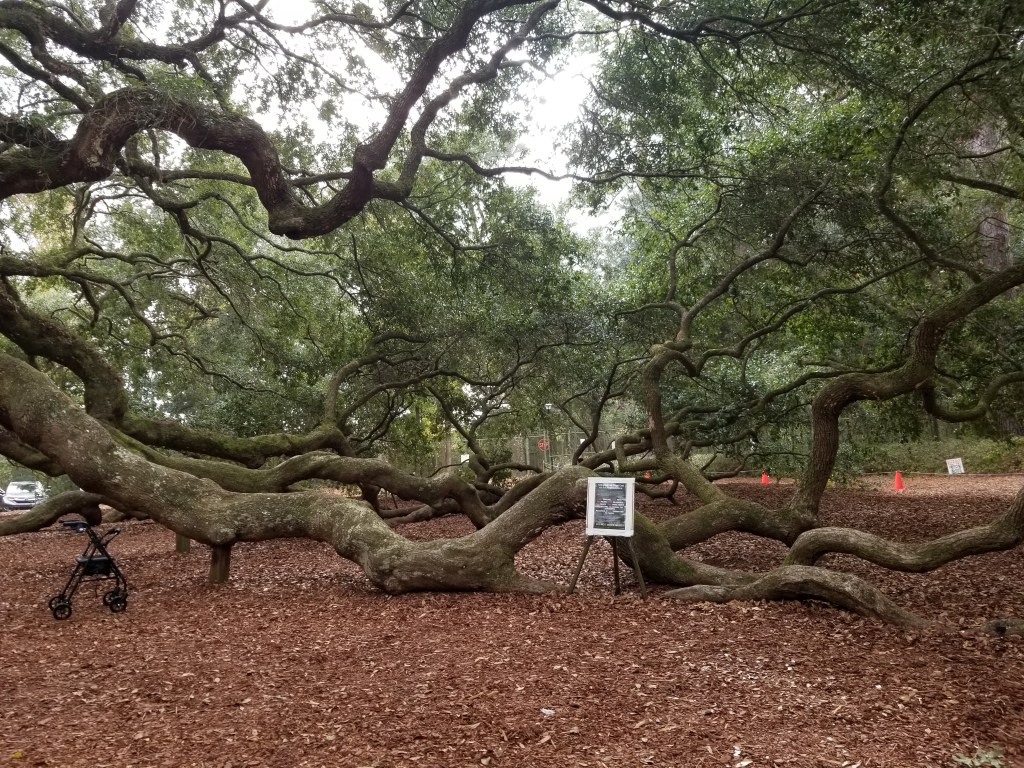
Trees of Life in India, USA, and Africa



Baobab Trees in South Africa



ASALH TV and The Black Press is just one of the virtual presentations by the National and Branch Communications Departments. Begin here with the panel on The Black Press and subscribe to ASALH TV.
https://www.spadymarketplace.org/events-timeline/

Dr. Tameka Hobbs, Manager of African American Research Library
Historian, author, and experienced in the university and community settings.

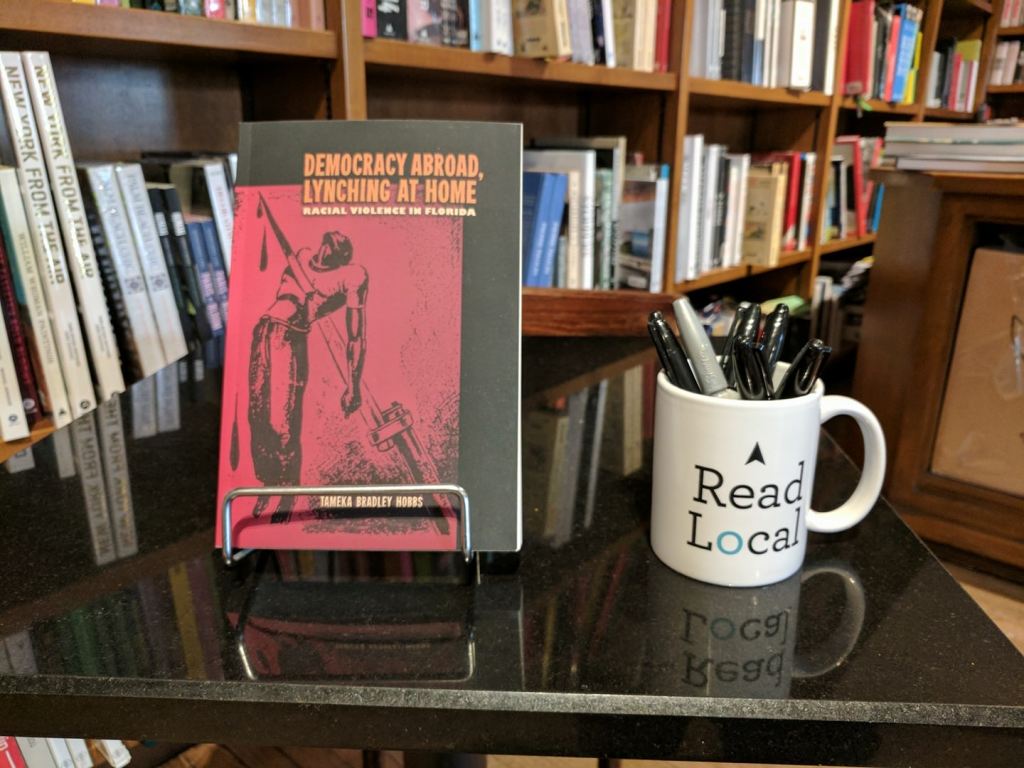
Dr. Tameka Bradley Hobbs has been named the new Library Regional Manager for the African American Research Library and Cultural Center (AARLCC), 2650 Sistrunk Boulevard, Fort Lauderdale, FL 33311.
Dr. Tameka Hobbs Selected as Manager of African American Research Library – The Westside Gazette
(25) Tameka Bradley Hobbs | LinkedIn
| AN INSPIRATIONAL CIVIL RIGHTS JOURNEY |
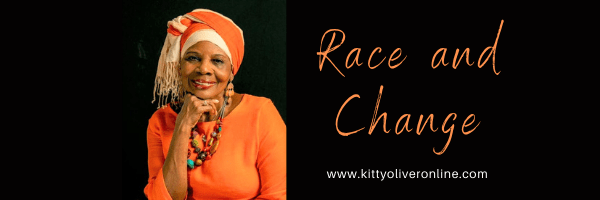
| Hi from Dr. Kitty, They say older people tend to look at the past with nostalgic recall, where everything was so much better “before…” compared to now. Not me. I moved from Jim Crow segregation in the South to racial integration to a multicultural worldview, while also witnessing the treacheries of social progress along the way. And yes, the journey has been rough. But my generation has also lived through some dynamic, exciting, transformative times – and boy do we have some stories to tell. The Race and Change oral history presentations I’ve shared with many of you over the years have sought to go beyond just recounting the glorified – or tragic – events of the past to find connections in our experiences across cultures and generations. It has become a rough road in these divisive and uncertain times. I was struggling for inspiration – until a recent journey visiting civil rights sites in the South, listening to stories of survivors and ongoing activism. A break from the news for a new perspective. A walk through history to find a message of hope. Some moments of reflection before traveling on. I invite you to be the first to view this short video. And share it with someone – especially younger. I’m doing the same. The work continues! Dr. Kitty Oliver #LLPMS22 |

In partnership with Jazz Heritage Wales, the University of Wales Trinity Saint David (UWTSD) will host the fourth Documenting Jazz Conference from 9 to 12 November in Swansea, supported by the Royal Welsh College of Music & Drama (RWCMD) and Brecon Jazz.
The conference will be held at the Dylan Thomas Centre, Swansea, and will focus on the theme of diversity and aims to create an interdisciplinary forum which is both inclusive and wide-ranging for sharpening awareness, sharing studies and experiences, and focusing the debate on distinct aspects of diversity in jazz today. http://documentingjazz.com
Joan Cartwright will present on Thursday, November 10 @ 11 a.m. EST

Keynote: Who gives voice to diversity in jazz?
Dr Joan Cartwright is a renowned veteran of the Jazz and Blues stage for 40+ years. She is a vocalist, composer, and author of several books, including her memoir with touring and teaching experiences, and was honored as the first Lady Jazz Master by Black Women in Jazz Awards in Atlanta, GA, in 2014. Her titles include Amazing Musicwomen, So You Want To Be A Singer? and A History of African American Jazz and Blues with interviews of Quincy Jones, Dewey Redman, Lester Bowie, among other jazz musicians and aficionados. Books are available at http://lulu.com/spotlight/divajc
In 2007, she founded Women in Jazz South Florida, Inc., a non-profit organization to promote women musicians. In 2022, the organization released its 8th CD of women composers. Dr Cartwright hosts MUSICWOMAN Radio, featuring women who compose and perform their own music at BlogTalkRadio, has two personal CDs Feelin’ Good and In Pursuit of a Melody, and featured as an actor in Last Man and The Siblings, two sitcoms produced by MJTV Network. In June 2022, she decide to incorporate Musicwoman Archive and Cultural Center in North Carolina to preserve the music of women composers and instrumentalists.
Cartwright is the editor of Musicwoman Magazine and Musicman Magazine.
Francesco Martinelli

(Re)examining diversity throughout the jazz historiography
Francesco Martinelli is a jazz promoter, journalist, lecturer, translator and author. He is the author of magazine articles and monographs about Evan Parker, Joëlle Léandre and Mario Schiano. Since 1999 he has taught the history of jazz and related subjects at the Siena Jazz Foundation courses and in other conservatories in Italy. Martinelli has lectured at NYU, Wesleyan and Columbia Universities in the USA, at Bilgi and ITU in Istanbul, at the Conservatoire National Supérieur de Musique et de Danse de Paris, and many other institutions. His primary research interests include the history of jazz in Italy, jazz relationships with visual arts, traditional musics from the Near East, discography, and the preservation and restoration of sound carriers.
Martinelli is currently a consultant for the Izmir European Jazz Festival and Director of the Arrigo Polillo Center for Jazz Studies in Siena, Italy’s most important jazz archive. He has translated over 10 reference jazz books into Italian and is a contributor to Rough Guide to Turkish Music and recently edited The History of European Jazz The Music, Musicians and Audience in Context (Equinox, 2018).
A Special Place In Time And Space – A View of Black Health and History from the African American Far South featuring members of ASALH SOUTH FLORIDA

| Participants | Edit Participants |
| (Commentator) Valerie Lyles Patterson, patterso@fiu.edu; Florida International University |
| (Chair) Gene S Tinnie, dinizulu7@gmail.com; Dos Amigos/Fair Rosamond Slave Ship Project |
| (Commentator) Kisha King, kking@broward.edu; |
| I Reminisce Over You – Valerie Patterson Title (Abstract) I Reminisce Over You – Valerie Patterson Edit Title Author Edit Author(Presenter) Valerie Lyles Patterson, patterso@fiu.edu; Florida International University Abstract Edit Abstract This paper will explore the impact of several university and community collaborative activities designed to document race, risk, and resilience in a Bahamian community in South Florida. The paper will compare oral history transcripts over time to identify common themes and threads related to health, wellness, and resilience, and the ways in which collective memories reinforce themes of Black health and wellness. Individual Presentation Abstract |
| Black Health and Wellness in the era of Jim Crow Title (Abstract) Black Health and Wellness in the era of Jim Crow Edit Title Author Edit Author(Presenter) Kisha King, kking@broward.edu;AbstractEdit Abstract This paper will offer a comparative history of two hospitals in South Florida that met the needs of Black people who were not allowed access to treatment in other area hospitals. Christian Hospital and Provident Hospital both treated Black people in South Florida. Service delivery in both facilities will be explored. Individual Presentation Abstract |
| South Florida: Epicenter of Middle Passage Awareness and Remembrance Title (Abstract) South Florida: Epicenter of Middle Passage Awareness and Remembrance Edit Title Author Edit Author (Presenter) Gene S Tinnie, dinizulu7@gmail.com; Dos Amigos/Fair Rosamond Slave Ship Project Abstract Edit Abstract As part of the Panel Presentation by the South Florida Branch, Prof. Dinizulu Gene Tinnie, will offer insights on the significance of South Florida in remembering the Middle Passage. From multiple connections to that history and heritage in Key West, southernmost point of the continental United States, therefore closest to the predominant “slaver trading” routes, to Miami’s prominent and pioneering role in launching an Annual Sunrise Ancestral Remembrance of the Middle Passage, and as the birthplace of the Dos Amigos/Fair Rosamond Middle Passage Ship Replica Project, the southern tip of the Florida peninsula has hosted numerous programs, exhibitions, and other activities, including annual observances of the International Days of Remembrance (March 25 and August 23, declared by the UN General Assembly and UNESCO respectively). Prof. Tinnie’s presentation will focus on the local history of such slave ships as the Henrietta Marie, wrecked in 1700, the Guerrero of 1827, and the captured ships in 1860, as well as related local landmarks like the Key West African Cemetery. It will also focus on the aftermath of the Middle Passage in Florida, including the peninsula’s role as “Freedom Land” for displaced First Nations peoples and self-liberators from slavery, where Seminole Maroon settlements were established along with Underground railroad escape routes from slavery, as well as present-day ongoing consequences of this human trafficking. Individual Presentation Abstract |
Valerie L. Patterson, Ph.D., Director
African and African Diaspora Studies
Clinical Professor, Public Policy, and Administration
Steven J. Green School of International and Public Affairs
Florida International University
11200 S.W. 8th Street, PCA 367-A, Miami, FL 33199
Telephone: 305-348-0425 * Fax: 305-348-5848
I been to the delivery room and now I’m in the rebirthing room.
Mother of Mimi born December 23, 1965 @ 8:14 p.m. in Jacovie Hospital, Bronx, NY
To Peter Serrano and Joan Cartwright Serrano, parents of Michael Joseph Serrano (1/22/1964 @ 7:14 p.m.

Let the games begin.




 ASALH South Florida